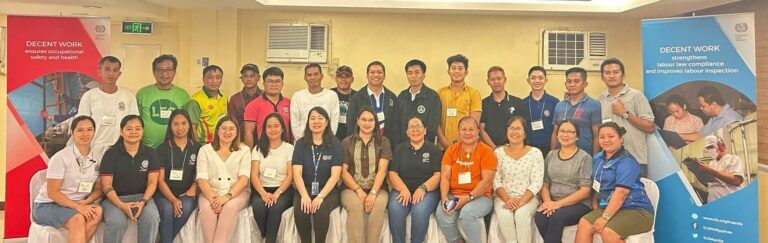
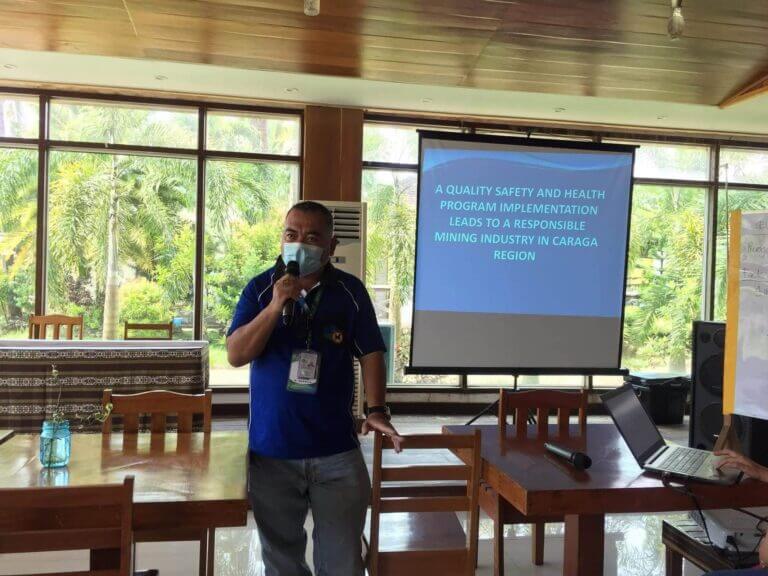
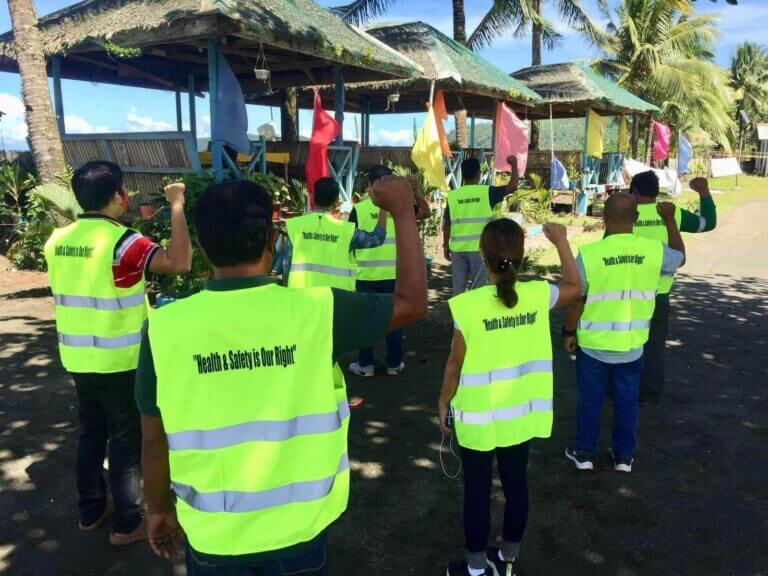
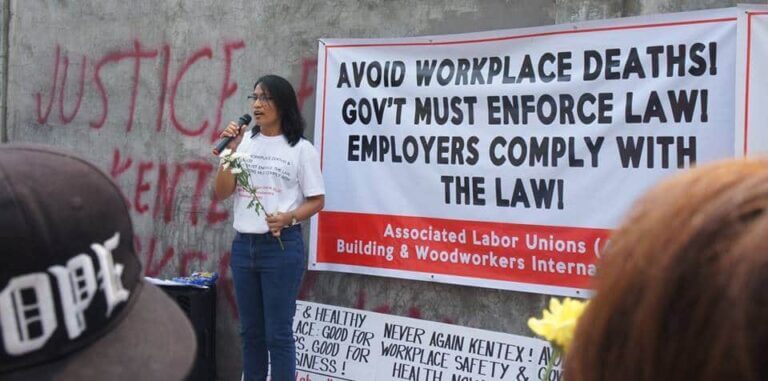
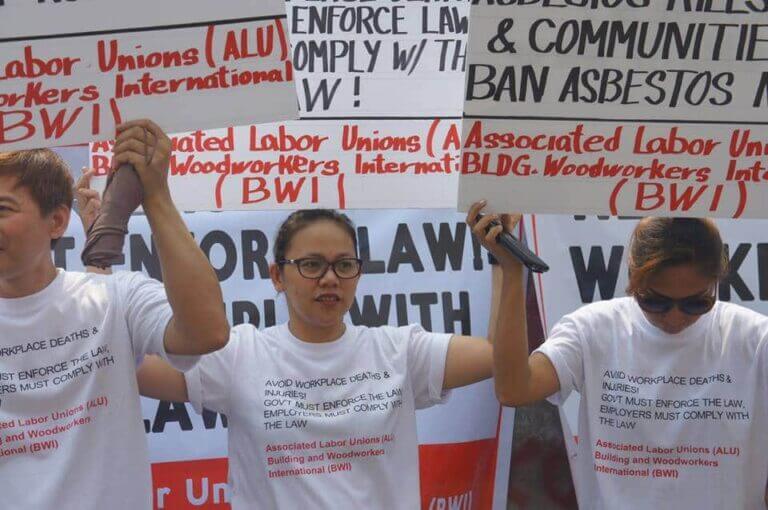
To ensure that workplaces are safe, healthy, and conducive to the well-being of all employees, the Associated Labor Unions staunchly advocates for Occupational Safety and Health (OSH). This involves a proactive approach of identifying and mitigating risks, implementing comprehensive safety protocols, establishing response and redress mechanisms, and protecting and promoting a culture where workers’ health and safety are prioritized.
It is important to note that OSH addresses not only physical safety, but also mental and emotional health, as it recognizes the impact of stress and workplace conditions on overall well-being. The ALU advocates for programs that support mental health, provide access to healthcare services, and promote work-life balance.
The ALU aims to foster a safer work environment, reduce workplace hazards, and ensure that all workers can perform their jobs in conditions that uphold their health and dignity.
Ban Asbestos Campaign
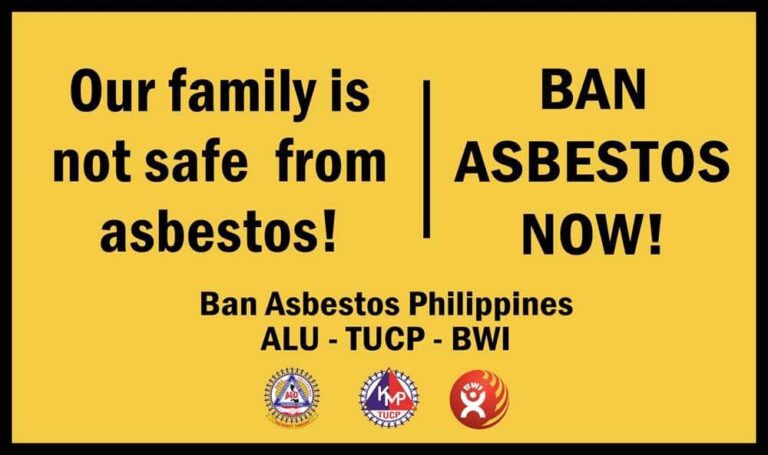
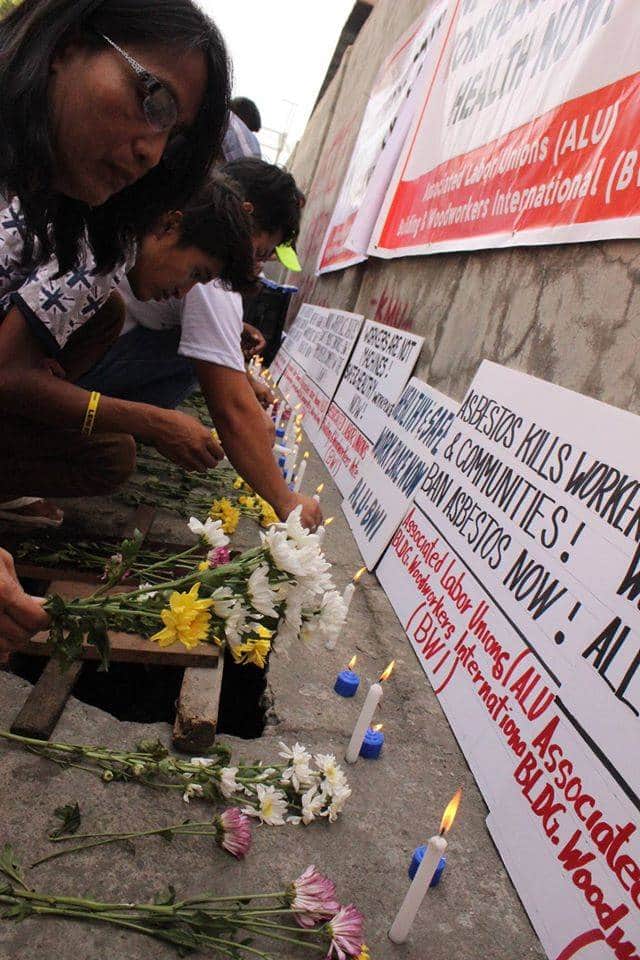
The Associated Labor Unions (ALU) played a leading role in the nationwide campaign to ban asbestos, recognizing early on that “the only safe use of asbestos is no use.” As early as 2007, ALU organized forums and Workers’ Memorial Day activities to raise awareness of the dangers of asbestos exposure, while also highlighting weak laws and enforcement in the Philippines.
ALU was among those who spearheaded the creation of the Philippine Trade Union Ban Asbestos Network, bringing together unions and advocates to push for legislation, build awareness among workers, and lobby government agencies for stronger protections.
Through persistent campaigns, ALU, along with other labor unions, influenced the Department of Labor and Employment to adopt stricter occupational safety standards, culminating in the issuance of Department Order 154 in 2016, which mandated medical surveillance, exposure limits, and safety programs for workers.
HIV Prevention
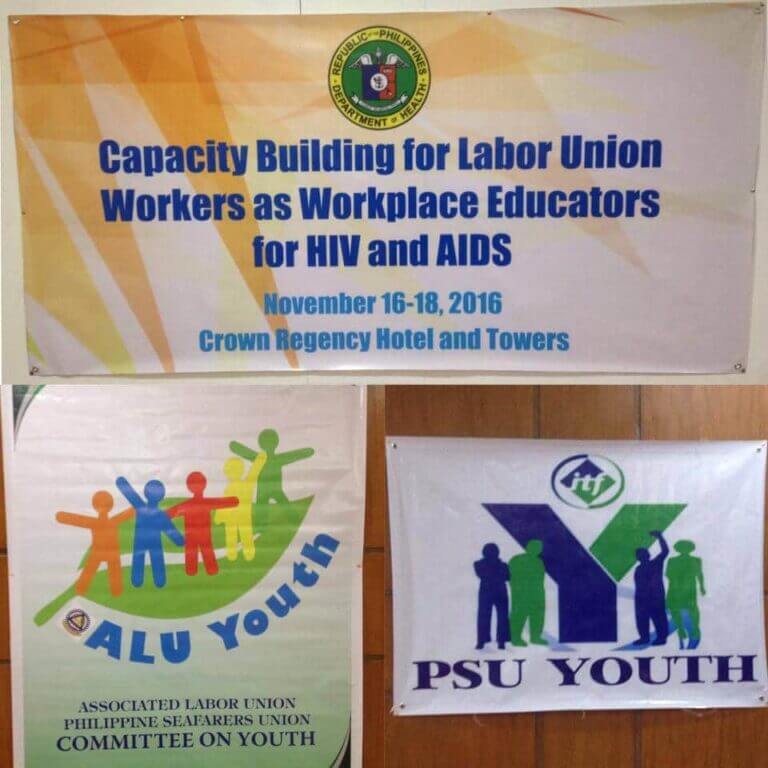
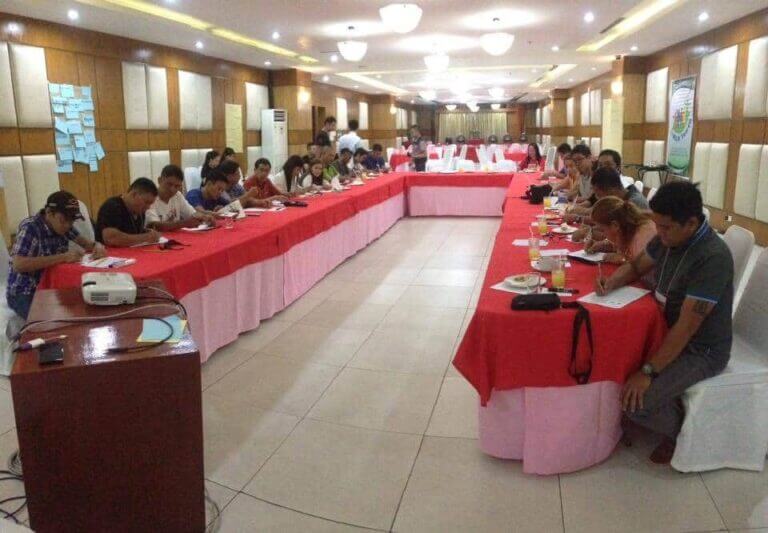
HIV prevention is among the Associated Labor Unions’ (ALU) highlighted advocacies to safeguard the health and well-being of all workers. ALU seeks to create a supportive environment where employees are informed, protected, and empowered to prevent HIV transmission and manage their health effectively.